

Reformation and the case for responsible style
Founded in Los Angeles in 2009, the label pairs vintage-inspired women's clothing with a sustainability narrative. This profile reads both against a modern wardrobe.
Los Angeles roots
The brand's origin in Los Angeles shapes its output. The city's fashion scene sits closer to casual, sun-aware dressing than to formal tailoring, and that shows in the cuts. Lightweight fabrics, relaxed silhouettes, and pieces built for warm weather appear throughout the collection. The city is part of the brand's identity, not just its address.
In practice, that means the label's output rarely reads as evening wear. It reads as something you can wear from a late breakfast into an afternoon errand and still feel considered. If your closet leans toward tailored separates, expect to blend these pieces with what you already own rather than replace them.

Vintage-inspired styling
The styling pulls from earlier decades without reproducing them exactly. High waists, feminine lines, and prints that reference the past while staying wearable today. The effect is nostalgic without tipping into costume, which is a hard balance to hold. It's a specific point of view rather than a broad catalog.
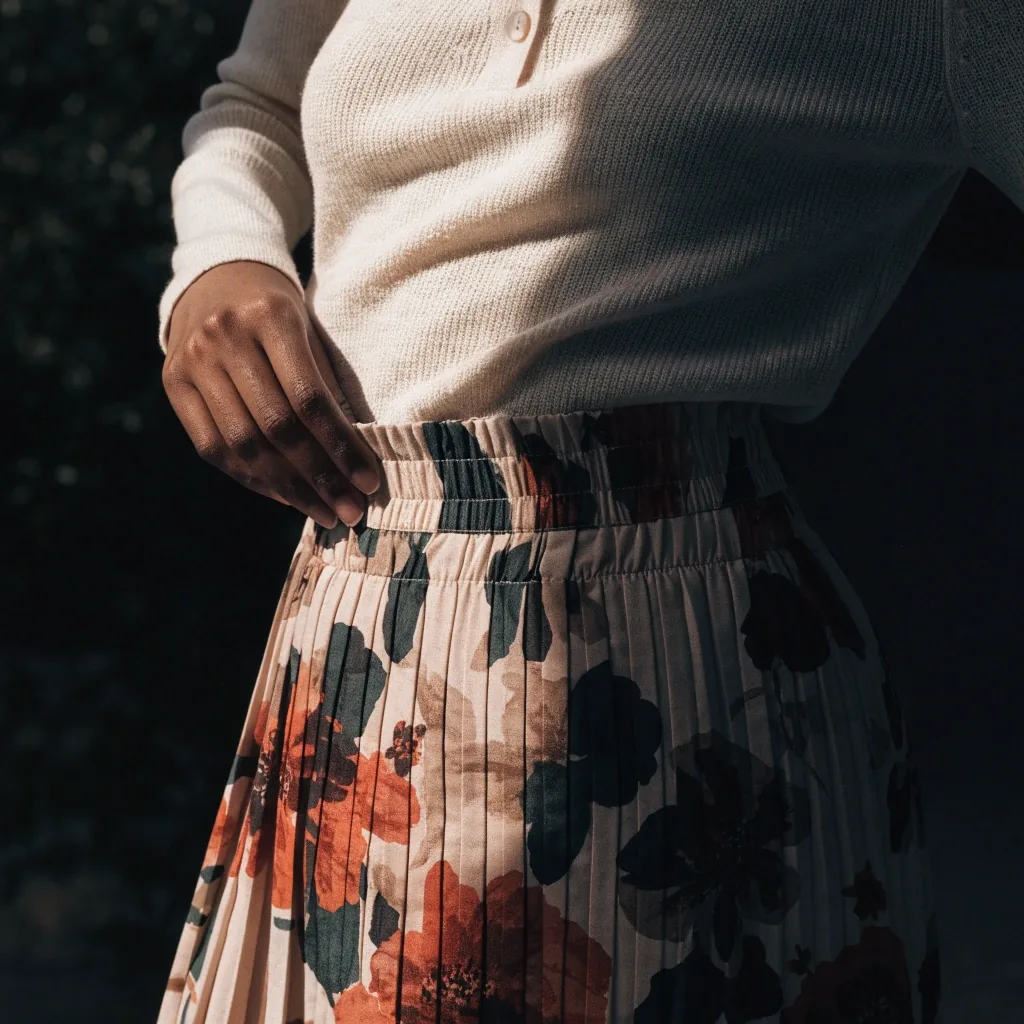


The sustainability narrative
The brand is known for framing its production around responsible practices and for making that framing part of its public identity. That is a positioning choice as much as a production one, and it is worth reading the brand's own disclosures rather than relying on secondhand summaries.
What matters for a wardrobe is narrower than the marketing language: whether the pieces last, whether you will wear them repeatedly, and whether the construction matches the price point. A garment that gets worn weekly for two seasons does more for a closet than a piece bought on a sustainability claim alone.

How it reads in a modern wardrobe
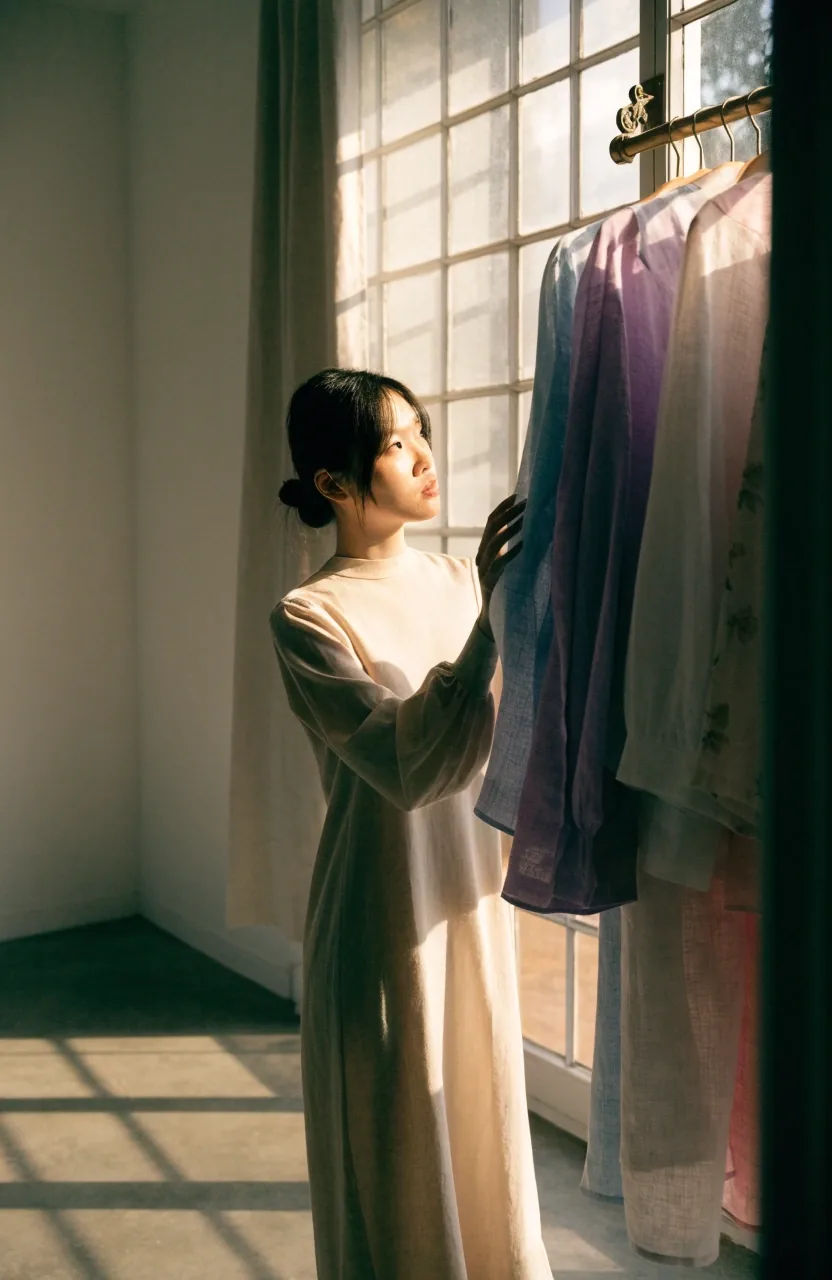
Reformation fills a slot that mass-market labels often miss: feminine, slightly retro, and styled rather than basic. It works well for occasions that call for more than a plain outfit but less than formalwear. Pairing it with simpler pieces keeps the look from tipping into period dress — the rest of the outfit should stay quiet.
- Dinner, a gallery opening, or a long brunch that runs into evening.
- Paired with plain denim, a white tee, and low-profile shoes.
- Worn as the one statement piece, not one of five loud ones.
Fit and sizing notes
Contemporary women's labels often run close to the body, and this one is no exception. Four checks that keep a vintage-inspired cut wearable in a modern rotation.
Who it suits
Women who want feminine styling with a point of view
It suits women who want a considered silhouette and who care about how a label positions its production. It also suits people building a wardrobe around a few statement pieces rather than a large rotation — the label rewards selective buying more than it rewards volume.
If your style leans minimal
The label's strongest pieces carry print, drape, and a specific retro reference. That can read as extra noise against a pared-back closet.
If your week is athletic
Performance-driven dressing and vintage-inspired cuts pull in different directions. Neither is wrong; they just answer different days.
Responsible fashion, read carefully
The word gets used loosely across the industry, and no single label solves the problem alone. Four practical questions apply to every brand you consider.
Will you actually wear it often?
A garment earns its place through wear count, not through the language on its tag. If the piece would sit in a closet for a season and come out twice, the responsible choice is the simpler one: skip it.
Will it hold up to real use?
Seams, closures, and fabric weight tell you more about longevity than a label's stated values. Check the construction at the points that fail first: the underarm, the waistband, and the hem.
Does the brand explain its practices?
Read the brand's own disclosures rather than a summary. Clear explanations of materials, supply chain, and repair options are more useful than a single claim repeated across marketing.
Does it fit how you actually dress?
A piece that only works for one event is a harder purchase to justify than a piece that pairs with what you already own. Match the silhouette to your week before you match it to a trend.
Where this label fits next in your rotation
If the vintage-inspired read matches your week, the next step is comparing it against the rest of the index and the practical outfit guides. Both are set for the same reader: women building a wardrobe they will actually wear, in the United States, at prices they can plan around.