Outfits that work for real weeks
These guides start from the situation, not a mood board: what you are doing, what the weather is doing, and how much attention you want to spend before the door closes.
Built around situations, not mood boards
Every guide below starts with the constraints. Work, weekends, travel, and the shoulder seasons where the morning and the afternoon disagree about what month it is. If you want outfit ideas you can repeat without rethinking them each morning, this is the page to work from.
Read the four-part structure first. The rest of the page assumes it, and most of the specific advice — layering, fit, seasonal swaps — is really a note about one of those four parts. Guides marked with the azure rule are the ones we return to most often.
The four-part outfit
Almost every outfit that looks intentional can be broken into four parts: a base layer, a top, a bottom, and shoes. Outerwear sits on top of all four when the weather asks for it.
When an outfit feels off, the problem usually lives in one of those parts, not in the whole. Isolate the part that is not working before you rebuild everything. It sounds obvious written down, and it is the single framing that saves the most time in the morning.
The four parts
-
Base layer
The thin cotton tee or long-sleeve that sits against your skin. It should sit flat under everything else.
-
Top
Crewneck, knit, or button-down. This is the piece most people actually see, so its fit carries the outfit.
-
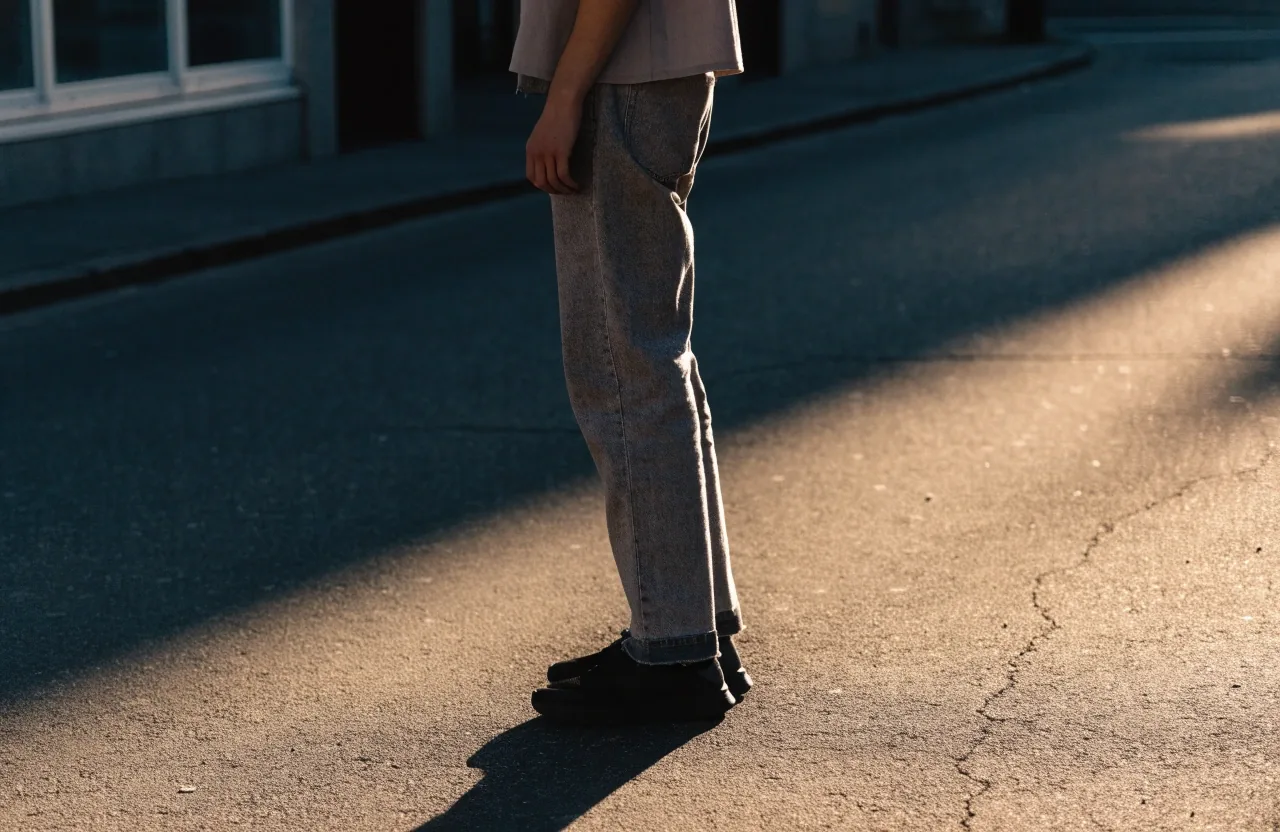
Bottom
Denim, chinos, or tailored trousers. Hem length here decides how the whole outfit reads.
-
Shoes
Comfort and silhouette in one decision. Build the rest of the outfit around what your feet can actually wear.
Layering without bulk
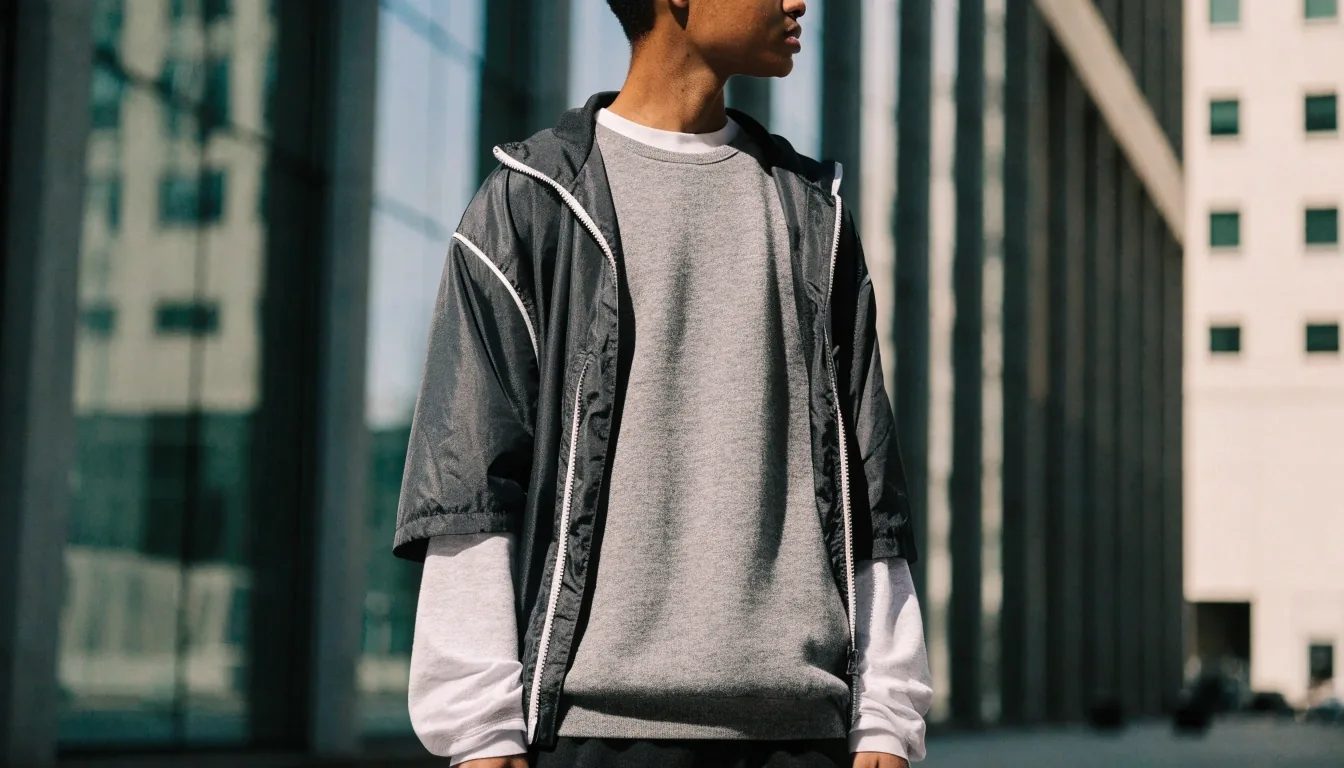
Layering fails when each layer is too thick. A thin cotton base under a mid-weight sweatshirt under a shell jacket will keep you warmer than one heavy coat, and it moves better when you are carrying a bag or stepping onto a train.
Hanes and Fruit of the Loom make base layers that sit flat under other clothing, which is exactly what the bottom of a stack needs to do. Keep the outer layer slightly roomier than the ones beneath it — the air between layers is doing the insulating, not the fabric alone.
Stack order
Thin first, mid-weight second, roomier shell last. If the top layer is the tightest thing you are wearing, the stack is upside down.
Fit checkpoints that matter
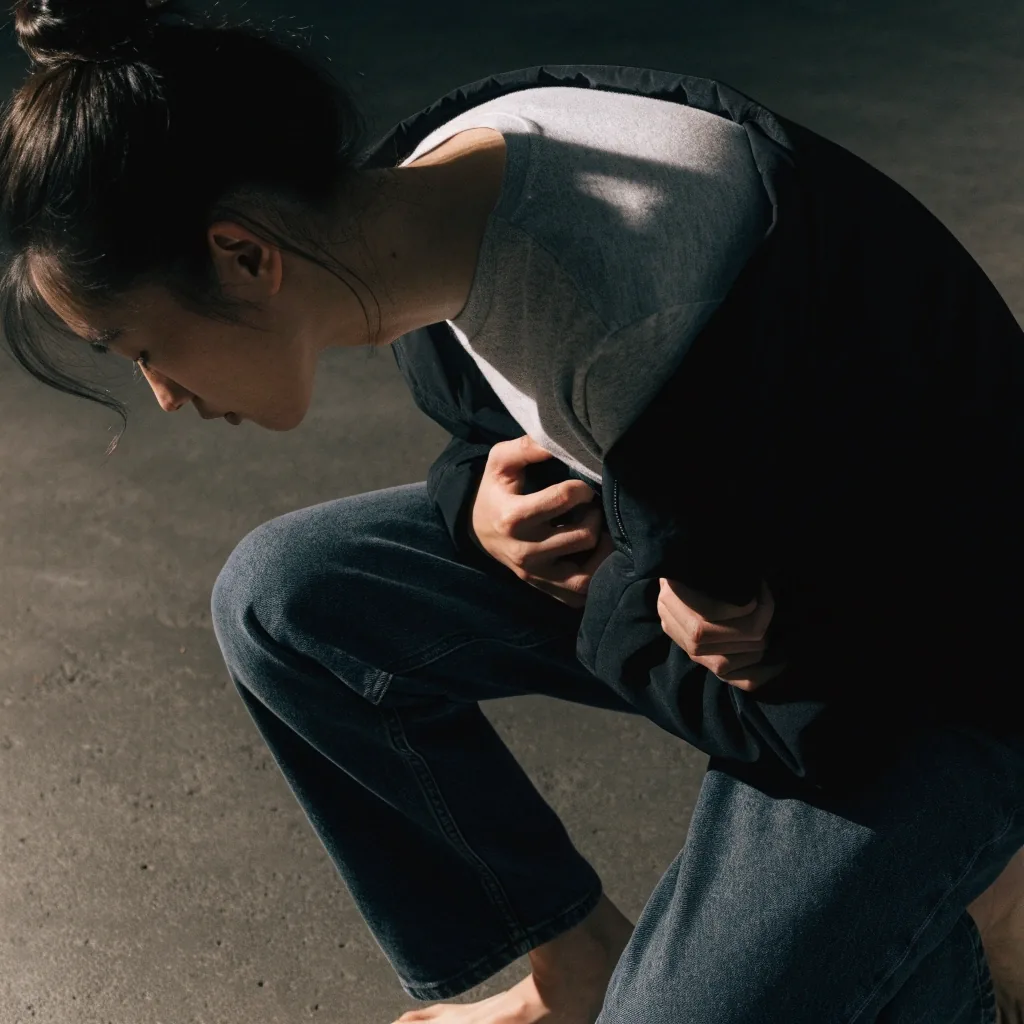
Four checkpoints solve most fit questions before you get near anything complicated. Run them in order and stop when you find the problem.
-
Shoulder seam
The seam should land on your actual shoulder, not hang past it or pinch inward. A misplaced shoulder seam pulls the whole garment off-center.
-
Sleeve length
Sleeves should end near the wrist bone, not past the knuckle. If you can pull the cuff down over your hand, the sleeve is a size too long for most everyday wear.
-
Hem and shoe
Hems should either hit above the shoe or break cleanly on it. A hem bunched over the shoe adds visual weight where the outfit is meant to end.
-
Silhouette width
Width is a choice, but it should look chosen. A relaxed top over a narrow bottom reads deliberately; the same top over a wide bottom can read as an accident.
Dressing for a standard workday
A workday outfit in most US offices lands somewhere between business casual and smart casual. You are not dressing for a photo; you are dressing for a commute, a desk, and whatever the day turns into. Three decisions carry the whole thing.
The bottom half
Dark denim or tailored trousers. Both read as deliberate in an office. Keep the hem clean and the fit close enough that the fabric does not stack at the shoe.
The top half
A clean shirt or a fine knit. Plain colors age better than a print you liked in a store. This is the piece coworkers actually register.
Shoes you can walk in
Comfort and formality are not opposites. Pick the pair you can wear through a train change and still look presentable when you arrive.
The outer layer
The North Face shell jackets work here when the commute involves weather, since they read more functional than formal without looking out of place in a casual office.
The palette
Two neutrals plus one accent is enough. Navy, charcoal and grey carry most of it; the accent is a scarf, a knit or the shoes.
For deeper dives on specific labels that suit this kind of office dressing, the brand profiles go one label at a time.

Weekends and the comfort-first rule
Weekends are where comfort footwear earns its place. Skechers and similar brands exist for the hours you spend on your feet, and there is no reason to treat that as a style failure. The better move is to build the rest of the outfit around the shoes instead of fighting them.
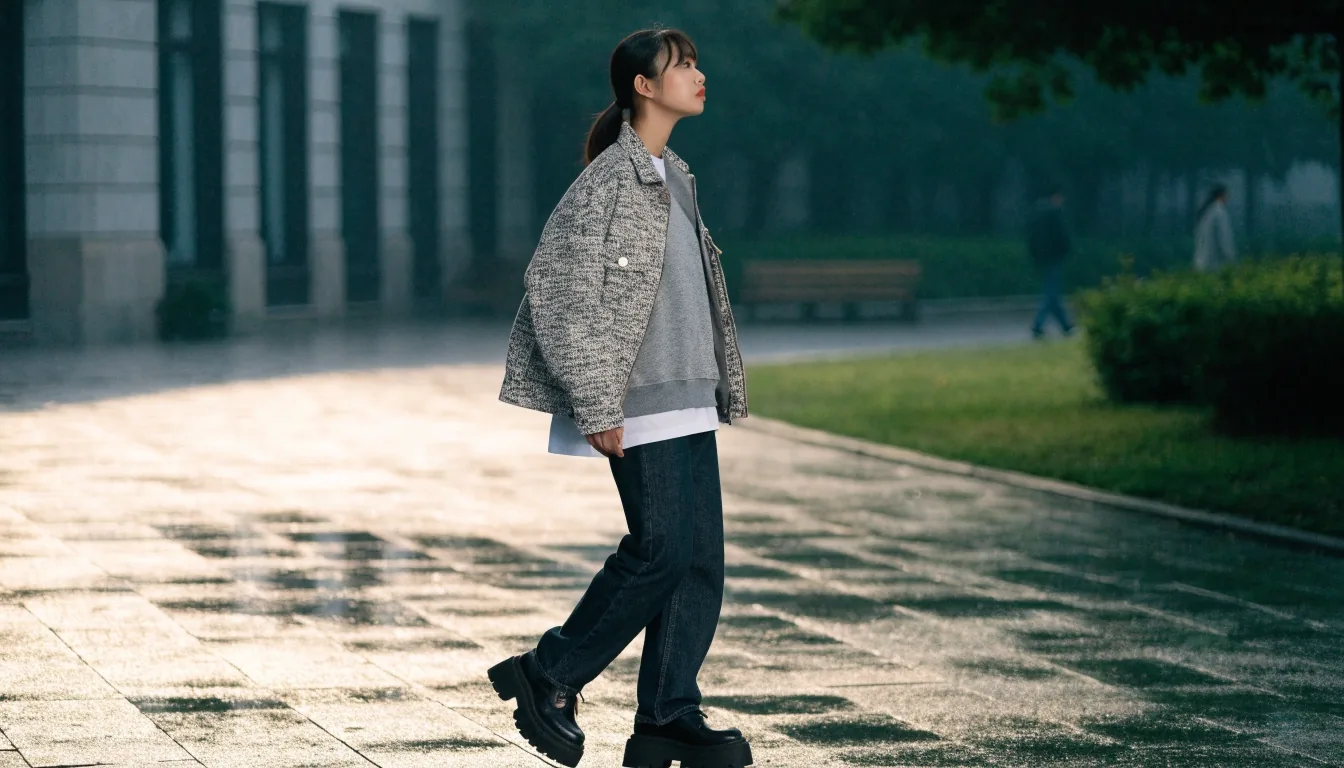
Loose denim, a plain top, and a relaxed jacket keep the proportions consistent with a substantial shoe. The outfit reads intentional when the silhouette matches the shoe — a narrow hem over a chunky sole is the mismatch that makes people second-guess the whole thing.
Compare comfort footwearTravel days, simplified
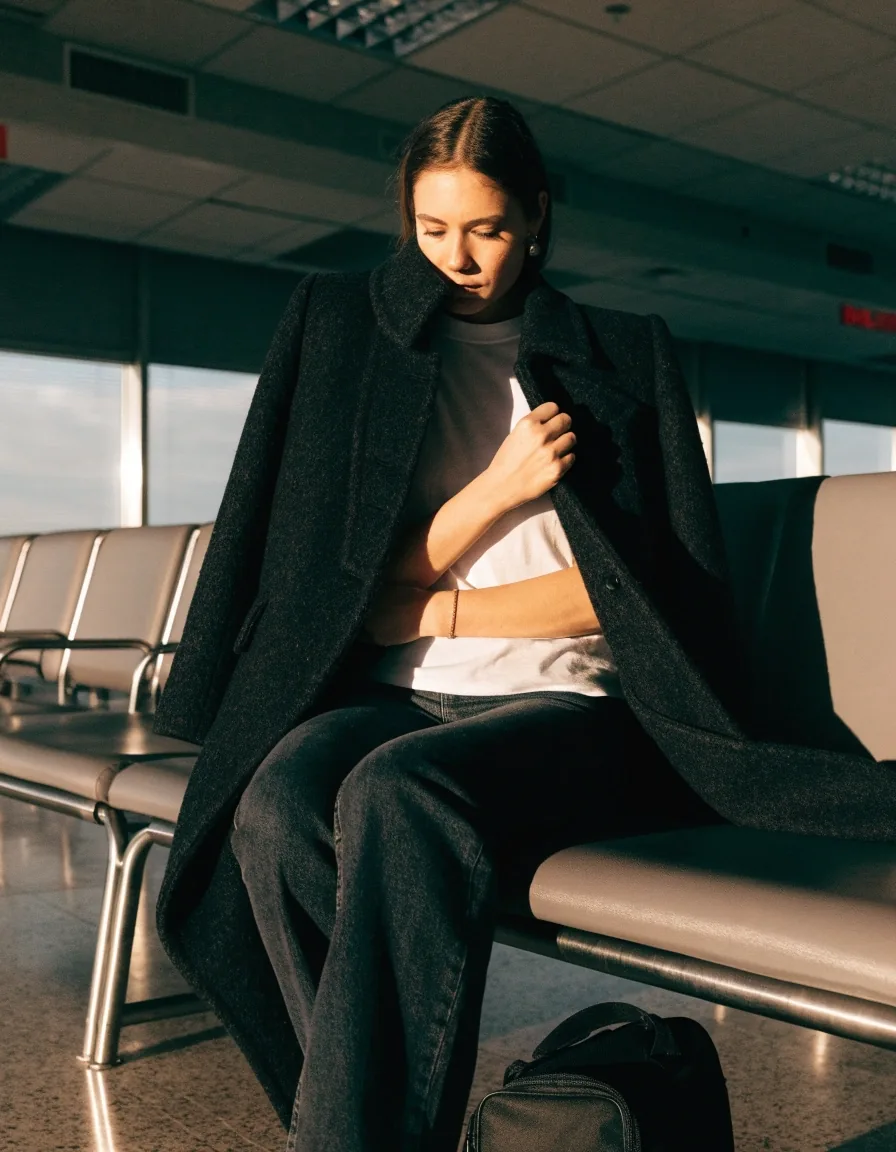
Travel rewards layers and punishes decisions. The rule that keeps the day simple: wear the heaviest thing you are bringing and pack the rest.
What to wear onto the plane
Wear the heavy shoes
Boots or your heaviest pair go on your feet. Pack the lighter pair, which is easier to flatten into a bag than the other way around.
Choose fabrics that forgive
Creasing fabrics look tired by the second hour. Knits and denim survive a long day better than anything stiff or shiny.
Layer for the swing
A thin base plus a mid-layer plus a packable shell handles most airport-to-hotel temperature swings without a change of clothes.
Skip the ironing
Anything that needs pressing stays home. Colors that hide a long day — charcoal, navy, mid-grey — do more work than another shirt.
Spring and fall transitions
The shoulder seasons are the hardest to dress for because the morning and the afternoon disagree. A shell layer over a light base handles the range better than a single heavy piece — you add and remove as the day moves instead of committing at 7am.
Denim works year-round and gives you a stable foundation while the layers above it change. The habit worth building: carry the layer you remove instead of wearing it and overheating. A folded jacket over a bag handle is not a style problem; a flushed, uncomfortable commute is.
One shell, one base, denim in the middle
Summer heat and winter cold
In summer, fit and fabric matter more than layering. Loose cuts let air move; cotton and linen breathe. There is no stack to manage, so the two things left to get right are the cut and the color.
In winter, the same four-part structure applies, with insulation replacing the mid-layer. The North Face fleece and insulated jackets slot into this role, and they work over the same base layers you wore in October. The structure does not change; only the materials do.
Read the brand profilesAccessories and finishing
A belt, a watch, a bag, and a hat do more than most people expect. They connect the outfit and give it a point of view without adding bulk to the silhouette underneath.
Keep the metal tones consistent and the bag proportional to your frame. One accessory that reads deliberate beats four that compete for the same attention. If you are unsure, remove one item before you leave — the outfit almost always improves.
When to break your own rules
Rules help until they do not. If a proportion looks right on you and feels comfortable, keep it, even if a guide says otherwise. Style guidance is a starting point, not a standard you are graded against.
The test is simple: does the outfit look like you chose it on purpose? If the answer is yes, you are done. The guides here are useful when you are stuck, not when you already know what works.

Questions readers ask
Three things come up often enough to answer here rather than in the guides themselves.
Do these guides assume a specific budget? Open
No. The structure works across price ranges. We name brands where they illustrate a point, not as a requirement — a plain crewneck from a supermarket and one from a boutique still sit in the same slot in the four-part outfit.
Are these guides for men, women, or both? Open
Both. The four-part structure and the fit checkpoints apply to any wardrobe. Brand-specific pages go deeper where a label focuses on one audience, and those pages say so where it matters.
How often do you update the seasonal guidance? Open
We revise the transition and seasonal sections as the weather and the market change. The core structure — the four parts, the fit checkpoints, the layering order — stays stable, because that part does not go out of season.
Where to go next
Start with one guide, keep the four parts
You do not need to read all of this in one sitting. Pick the situation that matches your week — a workday, a weekend on your feet, or a travel day — and use the four-part structure to build from there. The rest of the page will still make sense when you come back to it.
Brooklyn Hotdog · 452 Mercer St, New York, NY 10013, USA · +1-212-555-0184 · Monday–Friday, 9:00 AM – 6:00 PM